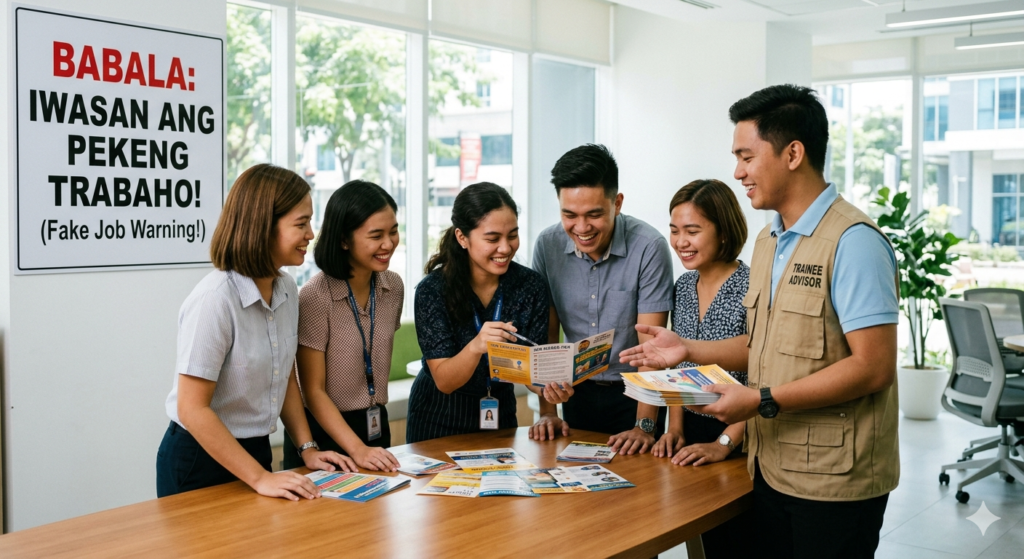
How to Avoid Germany Recruitment Scams Philippines: The Safety Guide
For young Filipino professionals and students looking to secure an apprenticeship or build a long-term career in Europe, learning to identify and bypass Germany recruitment scams Philippines is a vital protective measure. Because of the heavy international demand for skilled Filipino talents in sectors like healthcare, nursing, hospitality, engineering, and IT, a massive local market of predatory sub-agents and non-licensed agencies has emerged.
Many applicants from metro areas like Manila, Cebu, and Davao run into severe financial traps set by private consultants demanding high advance payments. These fraudulent entities often present fake institutional certifications or promise guaranteed visa appointment slots, deliberately ignoring official and legal deployment pathways.
To establish full transparency, it is highly valuable to look at recent international media investigations and documented reports highlighting the cracks in private recruitment setups across Asia and globally:
-
nd.Aktuell: Detailed report on private agencies recruiting foreign trainees for Germany. The investigation describes cases of debt bondage, exploitation, and false hopes sold to international candidates.
Read the full investigation on nd.Aktuell -
The Local Germany: An in-depth investigation into foreign trainees in Germany who faced severe administrative and financial hurdles, revealing how unregulated private agencies leave candidates vulnerable.
Read the report on The Local Germany -
Business & Human Rights Resource Centre: Documenting the international systemic challenges where foreign vocational students face structural dependencies on private brokers, unpaid allowances, and unverified contracts.
Read the full case file
Common Germany Recruitment Scams Philippines
Deceptive structures change over time, but specific fraud patterns remain heavily prominent within the domestic Philippine market. Stay highly alert if a consultant uses any of these methods:
- Non-Licensed DMW / POEA Activities: Every local agency deployment requires official accreditation from the Department of Migrant Workers (DMW). Independent brokers or language schools operating without valid DMW processing licenses are conducting illegal recruitment under Philippine law.
- Fabricated Language Confirmations: Passing official German language tests (A2, B1, or B2) takes rigorous, dedicated study. Agents who claim they can manipulate grades, secure quick certificates, or bypass formal examinations at certified centers like the Goethe-Institut are operating fraudulently.
- Black-Market Embassy Appointment Hoarding: Due to high visa demand, fraudulent sub-brokers use automated tools to block free interview slots at the consular database, trying to resell them to anxious applicants for large, under-the-table cash amounts.
- Illegal Upfront Training & Placement Fees: Predatory agencies demand high upfront payments labeled as „processing packages“ or „placement bonds.“ Both Philippine law and German labor regulations strictly forbid charging candidates direct financial commissions for providing training contracts.
- Forged Ausbildung Documentation: Scammers design highly realistic, deceptive apprenticeship offers using random corporate logos, fake German stamps, and artificial signatures. Applicants are tricked into believing they have a secure position, only to face immediate visa rejections during official embassy verification.
Warning About Illegal Recruitment Fees as part of Germany Recruitment Scams Philippines
A high number of international candidates face intense pressure to pay steep agency commissions, purchase overpriced visa consultation packages, or hand over unrecorded processing fees before ever obtaining a genuine corporate offer from a German brand.
In Germany, ethical employers manage their recruitment directly or through verified, officially monitored corporate programs. Applicants must practice deep caution whenever a local firm requests immediate cash payments, large upfront deposits, or unofficial priority handling fees.
To safely avoid falling victim to Germany Recruitment Scams in the Philippines, always demand transparent, itemized invoices, binding written contracts, and official agency registration numbers before executing any financial transfers to third parties.
How to Verify a German Employer and Avoid Fraud
Before sending sensitive personal documents, signing local agreements, or buying expensive training packages, use these independent verification steps to protect your future career:
- Verify DMW Agency Accreditation: Always check if your local recruitment partner is listed on the official Department of Migrant Workers (DMW) registry for legal overseas placement. If they are not licensed to deploy to Germany, do not work with them.
- Analyze the Corporate Website Legal Imprint (Impressum): German corporate legislation mandates that every legitimate business platform features a dedicated „Impressum“. This section must explicitly list the registered physical business location, the active managing directors, and their local commercial court registration code.
- Confirm Chamber Registration Requirements (IHK / HWK): A real vocational contract (Berufsausbildungsvertrag) depends completely on being officially recorded with the regional German Chamber of Commerce (IHK) or Chamber of Skilled Crafts (HWK). Request clear tracking status updates regarding this step.
- Reject WhatsApp-Exclusive Processing: Established German human resource departments communicate through authenticated corporate email systems (e.g., info@company.de). They will never handle your professional contracts or global deployment exclusively via personal mobile messaging apps or social media accounts.
- Decline Non-Traceable Cash Demands: Never hand over cash to local middlemen for official government transactions. All regular embassy administrative fees and service processing charges must be paid directly to the official consular partner or the embassy itself.
Official German & Philippine Information Channels
Ensure a secure migration path by relying solely on verified, state-authorized sources for your entire timeline. Trust these official networks:
- German Embassy Manila: The definitive legal authority responsible for reviewing and issuing sovereign entry visas. Review current guidelines directly at manila.diplo.de.
- Department of Migrant Workers (DMW): The national Philippine government department responsible for protecting the welfare of migrant workers and regulating overseas recruitment agencies.
- Goethe-Institut Philippinen: The accredited cultural representation of Germany, managing authorized language instruction and official competency testing in Manila.
- Azubis-Now Local Resources: For an in-depth breakdown of regional documentation workflows, consult our specialized Visum Check Philippinen resource hub.
Frequently Asked Questions (FAQ)
Are recruitment fees legal in the Philippines for German placements or is it a part of Germany Recruitment Scams Philippines?
Under German federal employment standards, it is strictly illegal for recruitment firms or employers to pass placement fees onto the applicant. While certified academies may collect fees for regular language courses, you must never pay an agent a commission or success bonus for an apprenticeship contract.
Can a private agency in Manila guarantee my German visa?
No, they cannot. Legally, no private agent, language institute, or local employer has the power to dictate visa outcomes. The final decision is held exclusively by the German Embassy in Manila after assessing your validated training paperwork.
How do I verify a German Ausbildung contract from the Philippines?
A legitimate German apprenticeship agreement (Berufsausbildungsvertrag) is legally bound to declare your explicit weekly hours, set vacation frameworks, a clear chronological training timeline, and a compliant monthly allowance. Crucially, it must be validated and registered by the local German Chamber (IHK or HWK).
Can German employers ask me for money upfront?
No. Authentic corporate entities in Germany will never contact an applicant in the Philippines demanding advanced monetary transactions for files, interview schedules, or internal human resource setup. Such a request is an explicit warning sign of an active scam.
Is recruitment via WhatsApp or social media safe?
Managing an international migration process solely over unverified personal messaging numbers or closed chat networks without corporate physical footprints, registered contracts, or official business email addresses is highly insecure and typical of deceptive brokers.
A Transparent Approach to Vocational Training (to avoid Germany Recruitment Scams Philippines)
The safest way to manage your vocational training application is through direct, independent channels. By connecting directly with authorized structures, you eliminate the risks associated with unverified intermediaries and hidden commission costs.
We at Azubis-Now operate a digital platform designed to foster direct connections. For an annual registration fee of ™39 for 365 days of platform access, you can publish your verified applicant profile. This allows registered German companies and established educational partners to view your professional qualifications and contact you directly—without any placement brokers or hidden success commissions involved. Instead of just waiting to be discovered, you can actively browse and apply directly to over 3,300 vocational training positions (Ausbildungsplätze) currently available on our ecosystem!